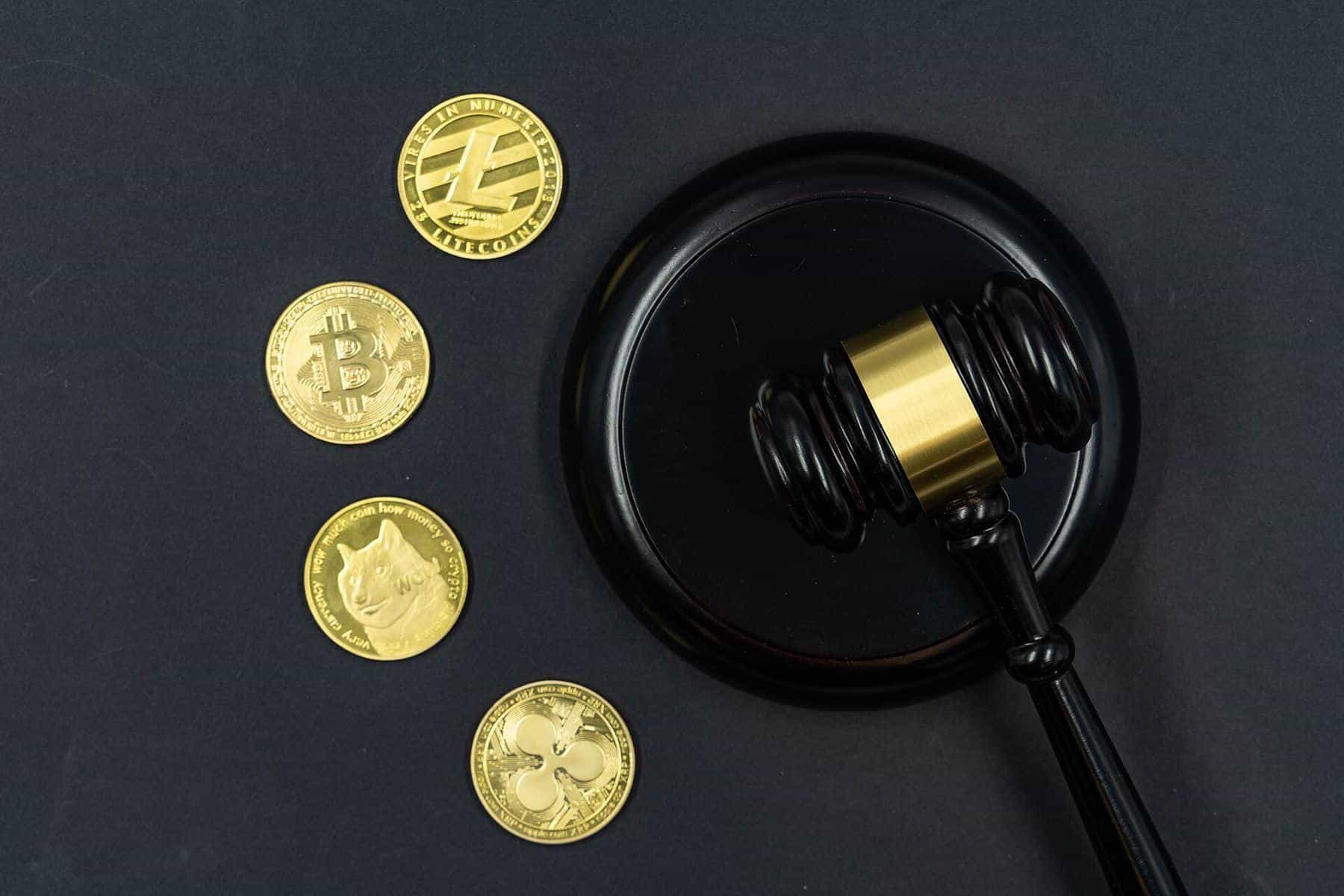
Many people assume crypto sits outside the normal rules. It does not. Crypto transactions can have tax consequences, crypto exchanges must register with AUSTRAC, and from April 2027 platforms that hold crypto for customers will need a financial services licence. This section explains the framework in plain English.
Tax: the short version
The ATO says there are no special tax rules for crypto: the ordinary rules apply depending on how you use it. For most people who hold crypto as an investment:
- Crypto is a capital gains tax (CGT) asset.
- Disposing of crypto is a CGT event. This includes selling it for Australian dollars, swapping it for another crypto, gifting it and using it to buy goods or services.
- Transferring crypto between wallets you own is not a disposal.
- Staking rewards are ordinary income when you receive them.
- Individuals who hold a CGT asset for at least 12 months may be eligible for the CGT discount.
- You must keep records of every transaction.
Businesses that trade crypto, and people carrying on a business of trading, are treated differently. Read crypto tax basics.
Who regulates what
| Agency | Role in crypto |
|---|---|
| AUSTRAC | Registers and supervises virtual asset service providers (crypto exchanges) under anti-money laundering and counter-terrorism financing law |
| ASIC | Regulates crypto products that are financial products; runs Moneysmart; will license digital asset platforms from April 2027 |
| ATO | Administers tax on crypto transactions and collects data from platforms |
| ACCC / Scamwatch | National Anti-Scam Centre; consumer protection and scam reporting |
| RBA | Monetary policy and payments; researches digital currencies |

The new digital asset platform laws
The Corporations Amendment (Digital Assets Framework) Act 2026 passed Parliament on 1 April 2026 and received Royal Assent on 8 April 2026. It commences on 9 April 2027. It defines digital asset platforms and tokenised custody platforms, and requires businesses operating them to hold an Australian financial services licence with the relevant authorisations, supervised by ASIC.
ASIC has published a roadmap for implementing the new regime, including consultation on standards and regulatory guidance. Until the new laws start, existing rules continue to apply. Read crypto regulation in Australia.
What regulation does and does not do
Regulation can raise standards, for example by requiring platforms to hold customer assets properly and to treat customers fairly. It does not make crypto-assets themselves safe or stable, and it does not guarantee you will not lose money. Crypto is not covered by the Financial Claims Scheme that protects eligible bank deposits.
Record keeping
Whatever your situation, keep records. The ATO expects you to record for each transaction:
- the date;
- the value in Australian dollars at the time;
- what the transaction was for and who the other party was (even if just a wallet address);
- exchange records, receipts, wallet addresses and any fees.
Many people use crypto tax software or spreadsheets, and export transaction histories from platforms regularly in case a platform closes.
Crypto record-keeping checklist
0 of 7 done
Ticks are saved in this browser only.
Guides in this section
Getting help
- Tax: the ATO website, or a registered tax agent (check the Tax Practitioners Board register).
- Financial advice: a licensed financial adviser (check the Financial Advisers Register on Moneysmart).
- Complaints about a licensed financial firm: the Australian Financial Complaints Authority (AFCA), if the firm is a member.
Guides in this section

Tax and rules
Crypto tax basics
How the ATO generally treats crypto: CGT events, swaps, transfers between your own wallets, staking income, the CGT discount, losses and record-keeping.
Read · 3 min
Tax and rules
Crypto regulation in Australia
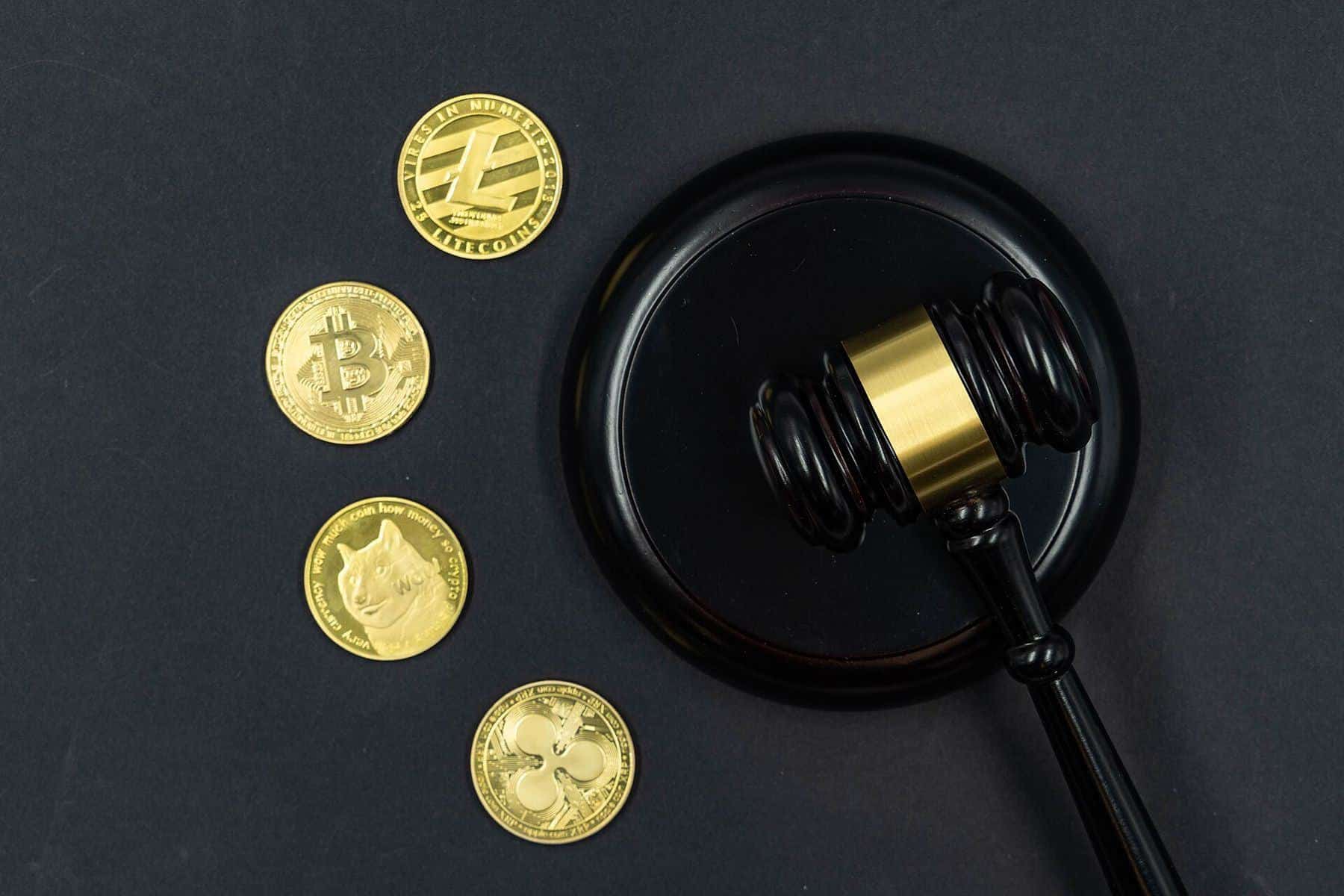
Who regulates crypto in Australia: AUSTRAC VASP registration, ASIC and the Digital Assets Framework Act 2026, the ATO and Scamwatch, and what it means for you.
Read · 3 min
Frequently asked questions
Do I have to report crypto on my tax return?
If you dispose of crypto, for example by selling, swapping, gifting or spending it, you generally need to report any capital gain or loss. Staking rewards and some other receipts are income. The ATO receives data from crypto platforms.
Is moving crypto between my own wallets taxable?
According to the ATO, transferring crypto from one wallet to another wallet you own is not a disposal, but you should keep records.
Who regulates crypto in Australia?
Several agencies. AUSTRAC registers and supervises crypto exchanges for anti-money laundering purposes, ASIC regulates crypto products that are financial products and will license digital asset platforms from April 2027, and the ATO administers tax.
What is the Digital Assets Framework Act?
The Corporations Amendment (Digital Assets Framework) Act 2026 brings digital asset platforms and tokenised custody platforms under Australia's financial services licensing regime. It commences on 9 April 2027.
Do I need a tax agent for crypto?
Not necessarily, but crypto tax can be complex, especially with many transactions, staking, DeFi or business activity. A registered tax agent can help.
Are crypto losses tax deductible?
Capital losses on crypto can generally offset capital gains, not other income, and unused losses can be carried forward. Check the ATO's guidance or ask a registered tax agent.
Sources and further reading
Facts on this page were checked against these primary and official sources. Conditions change — confirm before you travel or buy.
- Crypto asset investments — Australian Taxation Office
- ASIC's roadmap for digital assets law reform implementation — ASIC
- Corporations Amendment (Digital Assets Framework) Act 2026 — Federal Register of Legislation
- Virtual asset service providers overview — AUSTRAC