

Crypto Markets
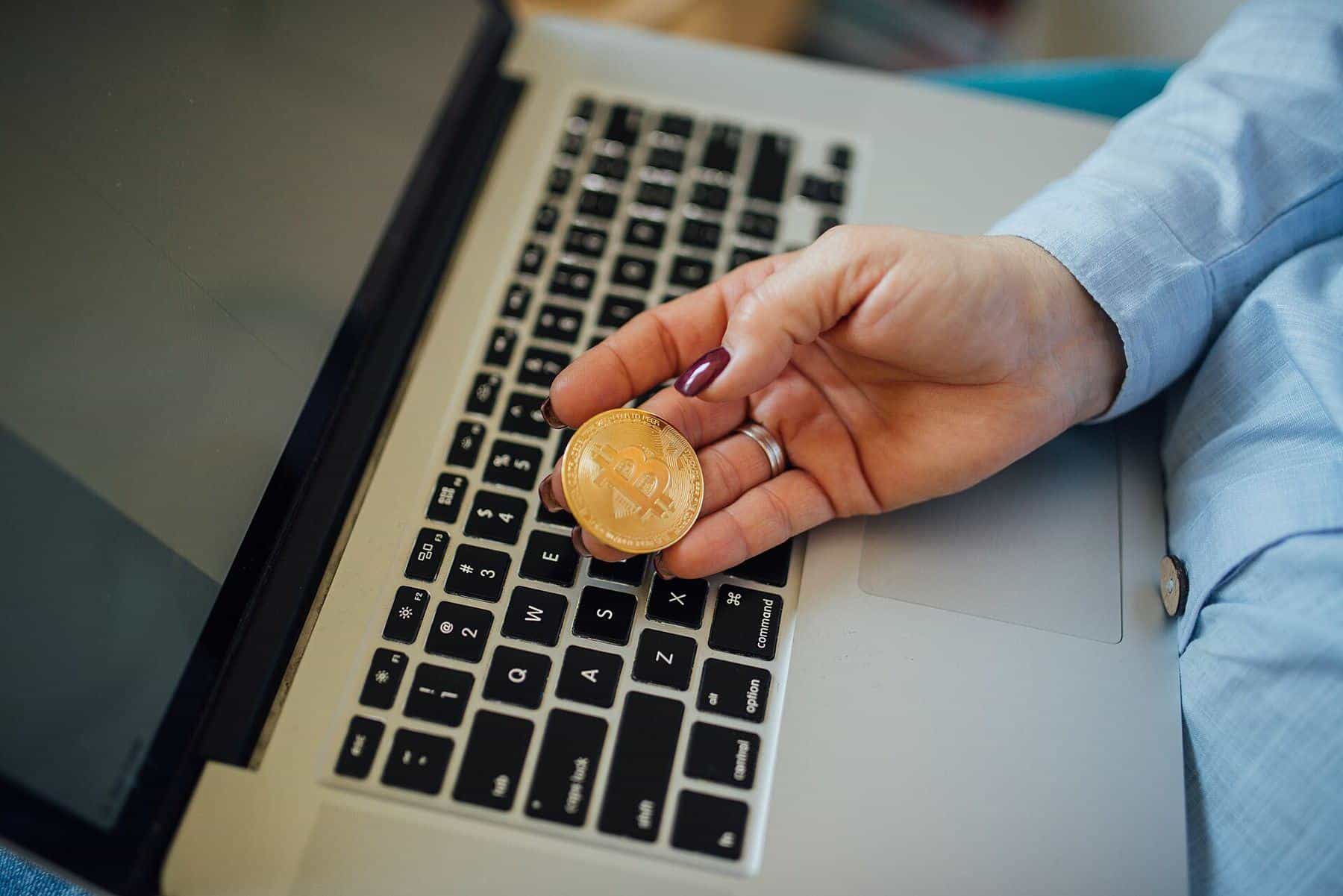
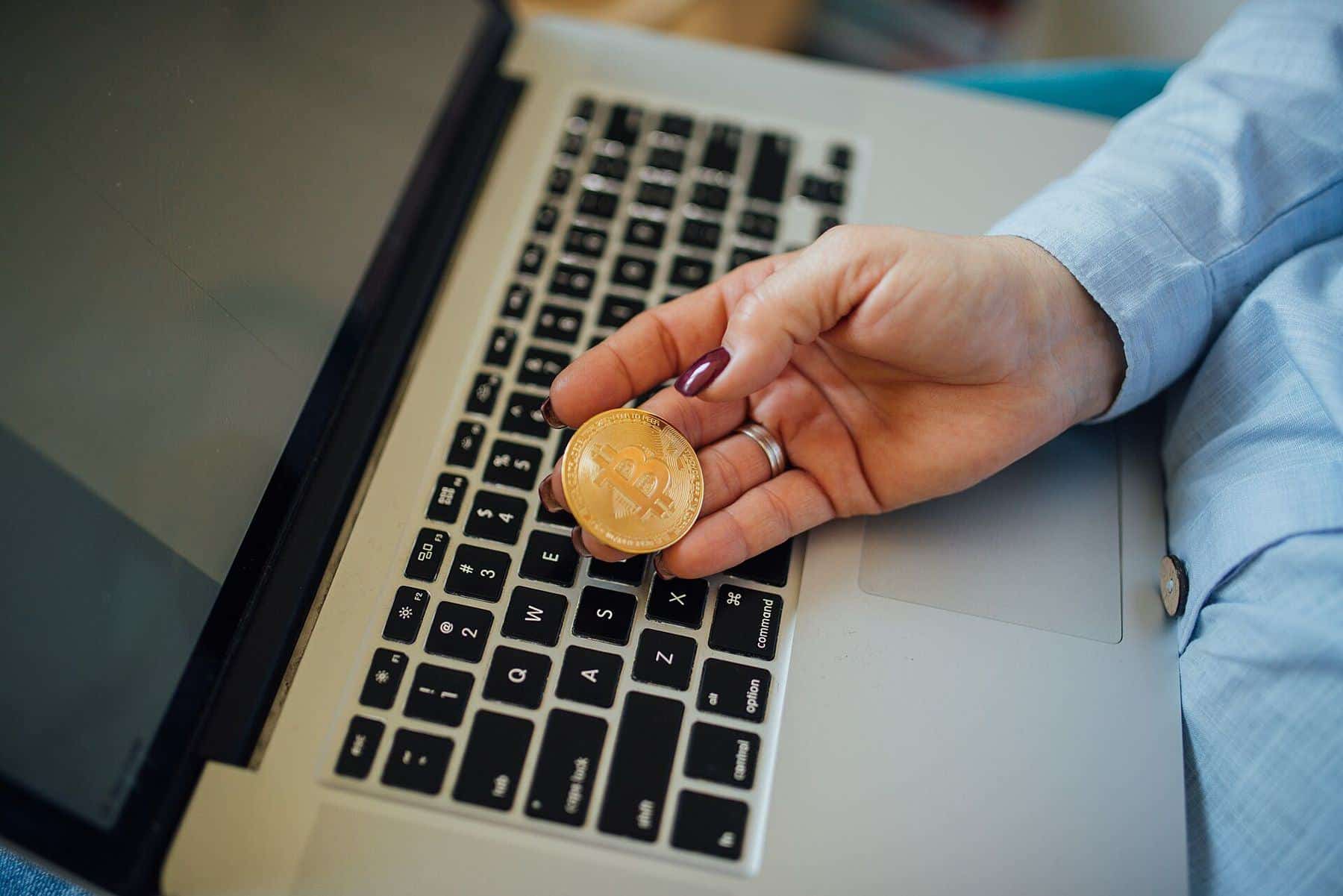
A woman holding a gold-coloured physical bitcoin token above a laptop keyboard

Crypto Markets

Plain-English crypto information for Australians

Cryptocurrency is everywhere, from news headlines to social media ads. This independent guide explains how it works, what the risks are, how to spot scams and what the rules say, using official Australian sources. We do not recommend, rank or sell anything.

Photo: Shixart1985, CC BY 2.0, via Wikimedia Commons

Start exploring

Where to start

Interactive tool

Check a crypto offer for scam warning signs

Crypto investment scams cost Australians heavily every year. Answer nine quick questions about an offer to see whether it shows the warning signs that Scamwatch and Moneysmart tell people to look for.

Scam warning-sign checker

Does this crypto offer show scam signs?

Think about an offer, platform or person you are dealing with and answer each question.

  1. 1. Did someone contact you out of the blue (social media, dating app, text, call or email)?

  2. 2. Are you promised guaranteed, high or fast returns?

  3. 3. Are you being pressured to act quickly or keep it secret?

  4. 4. Were you asked to install remote-access software or share your screen?

  5. 5. Were you asked for your seed phrase, private key or account password?

  6. 6. Do you have to pay a fee or "tax" before you can withdraw your money?

  7. 7. Is a celebrity, public figure or news story promoting it?

  8. 8. Is the person someone you met online and have never met in person?

  9. 9. Are you asked to pay in crypto, gift cards or by sending money to a personal account?

Your result will appear here as you answer.

General information only, based on warning signs published by Scamwatch and ASIC Moneysmart. It cannot tell you whether a particular offer is legitimate, and it is not financial advice.

Crypto can be confusing. There is technical jargon, a constant stream of hype, and a lot of people with something to sell. Crypto Markets exists to give Australians clear, neutral information: what crypto actually is, the risks to understand, how to protect yourself from scams, and how tax and regulation work here.

We are independent. We do not run an exchange, sell coins, rank platforms or take commissions from crypto businesses. Our guides are based on official Australian sources such as ASIC's Moneysmart, AUSTRAC, the Australian Taxation Office, Scamwatch and the Reserve Bank of Australia.

What crypto is, briefly

Cryptocurrencies, or crypto-assets, are digital tokens that are recorded on a shared digital ledger, usually a blockchain, rather than by a bank. Bitcoin, launched in 2009, was the first. Thousands of others now exist. Crypto is not legal tender in Australia, and it is not backed or guaranteed by the government or the Reserve Bank. Read what is cryptocurrency?

2009

Bitcoin launched

The first cryptocurrency

April 2027

New platform licensing

Digital asset platforms come under ASIC licensing

CGT

Tax treatment

Crypto investments are generally CGT assets

Start here

Crypto basics explains how crypto works: blockchains, Bitcoin, stablecoins and wallets, in plain English.

Risks and scams covers the main risks Moneysmart highlights, the warning signs of crypto scams, and how to check whether a platform is registered with AUSTRAC.

Tax and rules summarises how the ATO treats crypto, and how Australian regulation is changing, including the new digital asset platform laws.
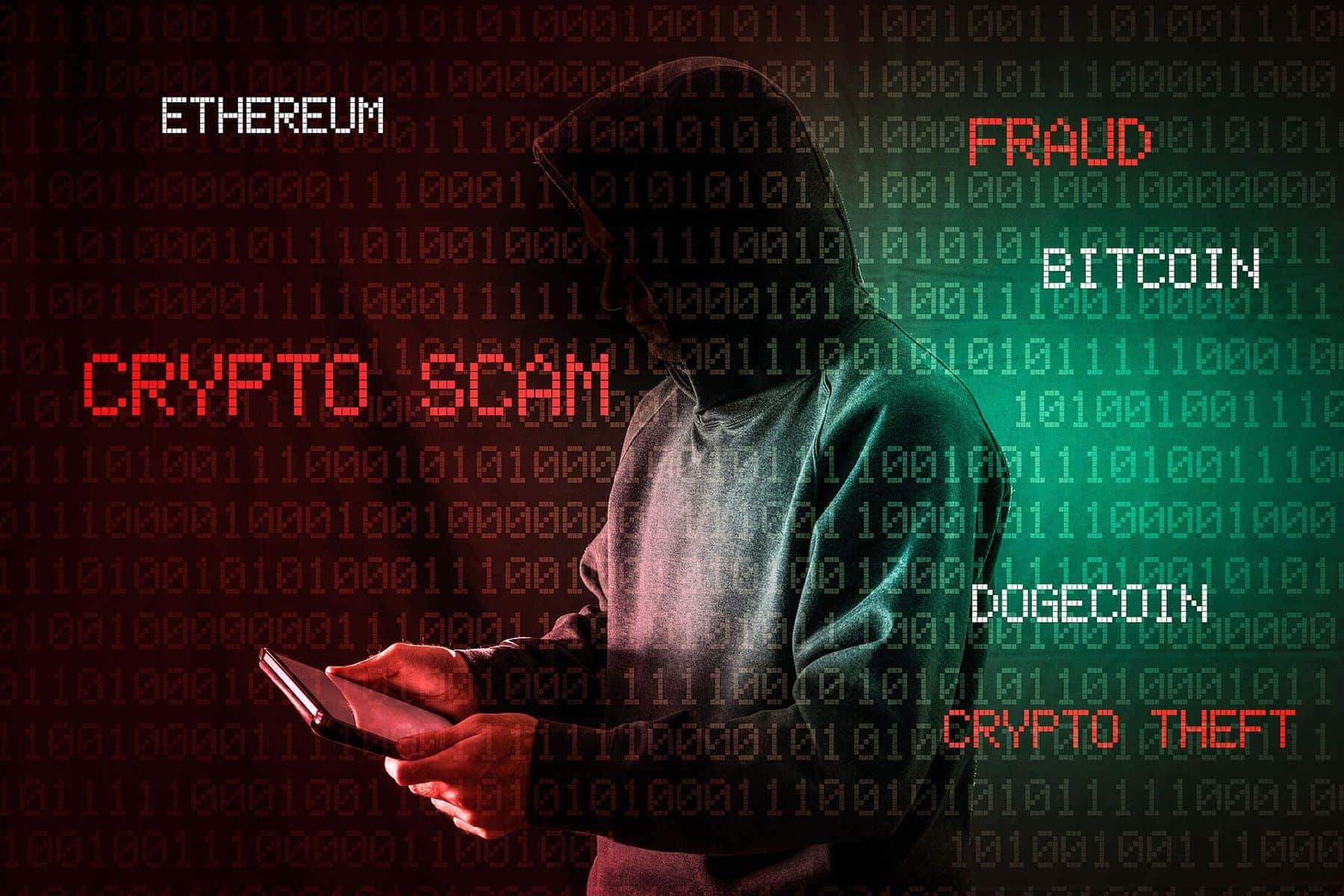
Illustration of a hooded figure using a phone, surrounded by the words crypto scam, fraud and crypto theft
Investment scams involving crypto are a major concern for Australian regulators. Photo: Edwin.images, CC BY-SA 4.0, via Wikimedia Commons

The risks in one paragraph

Moneysmart warns that crypto-assets are highly speculative and that prices can be extremely volatile. Crypto platforms may not have the protections of regulated financial services, they can be hacked or collapse, and if you lose access to your wallet your crypto may be gone forever. Scams are widespread. If you decide to buy crypto, Moneysmart suggests only investing money you can afford to lose. Read the risks of crypto.

Scams: stop, check, protect

Scamwatch's advice is simple: stop before you act on an unexpected offer, check whether it is real, and protect yourself by acting quickly if something has gone wrong. Our scam warning-sign checker walks you through the red flags, and crypto scams explains the most common types, from fake trading platforms to romance scams.

Checking a platform

Businesses that exchange crypto for money in Australia must be registered with AUSTRAC as virtual asset service providers. You can search AUSTRAC's public register. ASIC also keeps an investor alert list of entities it has concerns about. Registration is a minimum legal requirement, not a seal of approval. See how to check a crypto platform.

Tax

The ATO treats crypto held as an investment as a capital gains tax asset. Selling, swapping one coin for another, gifting or spending crypto can all be CGT events, and staking rewards are generally income. Read crypto tax basics.

The rules are changing

In April 2026 Parliament passed the Corporations Amendment (Digital Assets Framework) Act 2026. From 9 April 2027, digital asset platforms and tokenised custody platforms will need an Australian financial services licence, supervised by ASIC. Read crypto regulation in Australia.

About this site

From around 2018, cryptomarkets.com.au hosted "Crypto Markets Australia", a directory of exchange reviews and coin pages. That directory is no longer running. Crypto Markets relaunched in 2026 as an independent, general-information guide written from scratch. We do not publish exchange reviews or rankings. Read about us and our editorial policy.
In-depth guides

Guides

Frequently asked questions

Is cryptocurrency legal in Australia?

Yes. It is legal to buy, hold and sell crypto-assets in Australia. Businesses that exchange crypto for money must be registered with AUSTRAC, and new laws passed in 2026 will bring digital asset platforms under ASIC licensing from April 2027.

Is crypto a safe investment?

ASIC's Moneysmart describes crypto-assets as high risk and speculative. Prices can rise and fall sharply, platforms can fail or be hacked, and scams are common. You could lose all the money you put in.

Do I pay tax on crypto?

Often, yes. The ATO says crypto held as an investment is generally a capital gains tax (CGT) asset, so selling, swapping, gifting or spending it can trigger a CGT event. Keep records and seek advice from a registered tax agent if unsure.

How can I check if a crypto platform is legitimate?

Check that it is registered on AUSTRAC's register of virtual asset service providers, search ASIC Moneysmart's investor alert list, and look for scam warnings. Registration is not an endorsement and does not guarantee your money.

Does Crypto Markets recommend exchanges or coins?

No. We publish general information only. We do not rank, review, recommend or receive commissions from exchanges, coins or crypto products.

Is this the old Crypto Markets Australia review site?

No. Crypto Markets is a new, independent guide written from scratch. We are not connected with the previous review directory on this domain or with any business with a similar name.

Sources and further reading

Facts on this page were checked against these primary and official sources. Conditions change — confirm before you travel or buy.

  1. Cryptocurrencies — ASIC Moneysmart
  2. Crypto asset investments — Australian Taxation Office
  3. Virtual asset service providers overview — AUSTRAC
  4. ASIC's roadmap for digital assets law reform implementation — ASIC

Spotted something out of date?

Local knowledge keeps this guide useful. Send a correction, a tip or a question and we’ll check it against official sources.

Contact the editors