Bitcoin is the original cryptocurrency, and for many people it is the first thing that comes to mind when they hear the word crypto. It introduced the idea of digital money that is not issued or controlled by a central authority, with ownership recorded on a public blockchain. Understanding Bitcoin makes the rest of crypto much easier to follow.
2009
Network launched
White paper published in 2008
21 million
Maximum supply
Set by the Bitcoin protocol
~4 years
Halving cycle
Every 210,000 blocks
Origins
In 2008, a paper titled Bitcoin: A Peer-to-Peer Electronic Cash System was published under the name Satoshi Nakamoto. It proposed a way to send payments online directly between people without going through a financial institution. The Bitcoin network launched in January 2009. Nakamoto's identity has never been confirmed.
How the network works
Bitcoin is run by thousands of computers around the world, called nodes, which each keep a copy of the blockchain, the full history of Bitcoin transactions, and check that new transactions follow the rules.
When you send bitcoin, your wallet creates a transaction signed with your private key and broadcasts it to the network. Miners collect pending transactions into a block and compete to add it to the chain by solving a computationally hard puzzle. This process is called proof of work. The winner adds the block and receives newly created bitcoin plus transaction fees. Each block links to the one before, making past records very hard to change. Read blockchain explained.
Supply and halvings
The Bitcoin protocol limits total supply to 21 million bitcoins. New bitcoins enter circulation only as mining rewards. Every 210,000 blocks, roughly every four years, the reward per block halves. This "halving" gradually slows the creation of new bitcoin until the cap is reached.
Bitcoin is divisible to eight decimal places. The smallest unit, one hundred-millionth of a bitcoin, is called a satoshi. You do not need to buy a whole bitcoin.
Why the price is so volatile
Bitcoin's price is set by trading on exchanges around the world. Because bitcoin produces no earnings or interest, its price depends on supply and demand, which can be driven by sentiment, news, regulatory developments, interest rates and speculation. Bitcoin has experienced repeated large rises and falls in its history. The Reserve Bank and ASIC have both highlighted crypto's volatility.
What people use Bitcoin for
- Speculation and investment, by people hoping the price will rise.
- Store of value, by those who see a fixed supply as a hedge.
- Payments, including cross-border transfers, though relatively few everyday Australian merchants accept it.
Bitcoin has also been used in crime, including ransomware and scams, which is why exchanges must follow anti-money laundering rules.
Criticisms and concerns
- Volatility makes it unreliable as everyday money.
- Energy use: proof-of-work mining consumes large amounts of electricity.
- Irreversibility: mistaken or fraudulent transfers usually cannot be undone.
- Scams often demand payment in bitcoin.
- Concentration: a large share of mining and holdings is held by relatively few participants.
Bitcoin ATMs
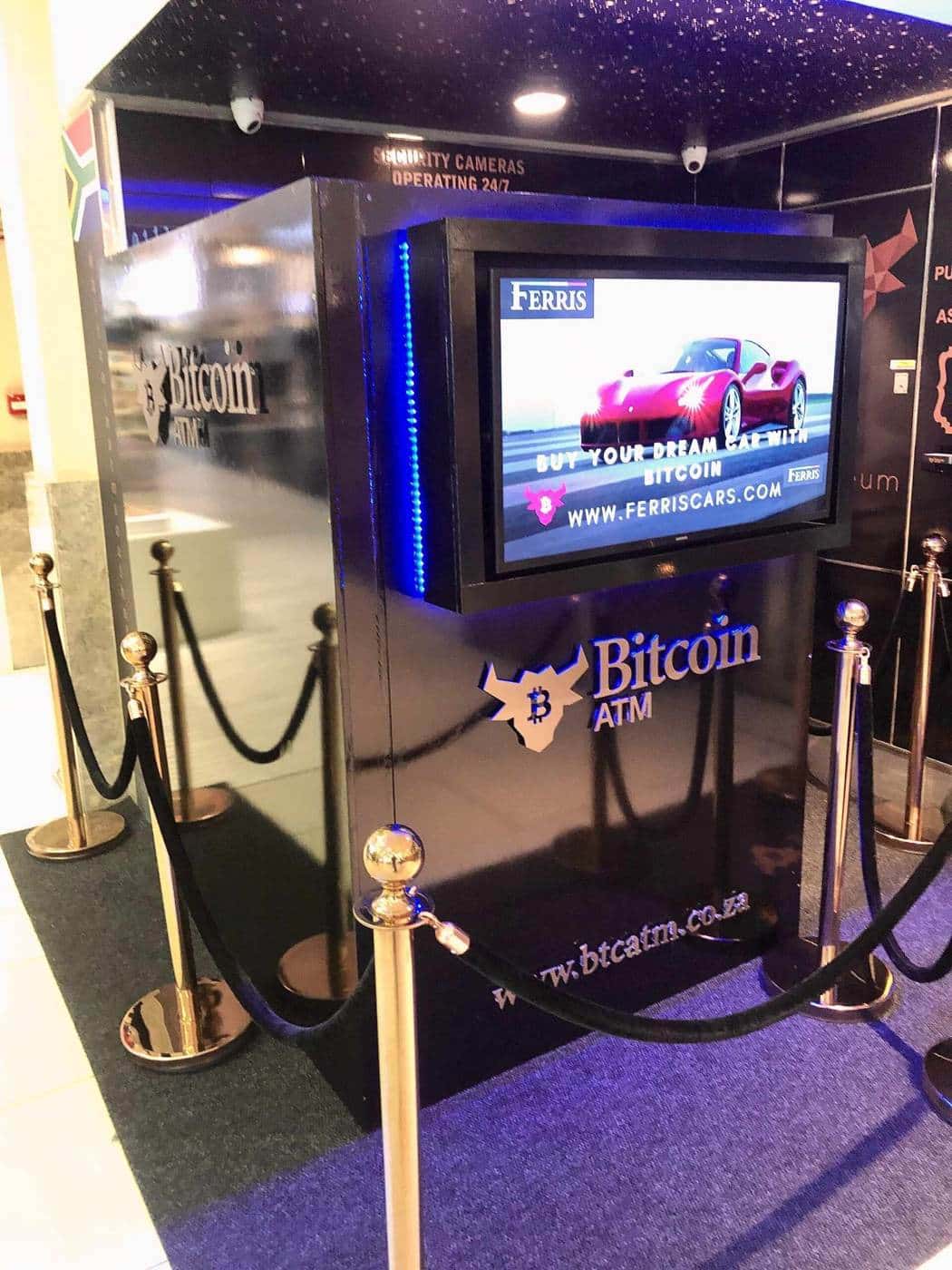
Crypto ATMs allow people to buy crypto with cash. Operators in Australia must be registered with AUSTRAC. Scammers sometimes instruct victims to deposit cash into crypto ATMs; if anyone asks you to do this, treat it as a major red flag. Read crypto scams explained.
Bitcoin and tax
For Australians who hold bitcoin as an investment, the ATO treats it as a capital gains tax asset. Selling, swapping, gifting or spending bitcoin can be a CGT event. Read crypto tax basics.
Before you deal with bitcoin
0 of 6 done
Ticks are saved in this browser only.
Key Bitcoin terms
- Block: a batch of confirmed transactions added to the chain, on average about every ten minutes.
- Hash rate: the total computing power miners devote to the network.
- Satoshi: one hundred-millionth of a bitcoin.
- Halving: the scheduled cut in the mining reward every 210,000 blocks.
- Node: a computer that stores the blockchain and enforces the rules.
- Lightning Network: a layer built on top of Bitcoin designed to make small, fast payments cheaper.
- Confirmations: the number of blocks added after your transaction; more confirmations make reversal less likely.
Common misunderstandings
People sometimes assume bitcoin's fixed supply guarantees its price will rise. A limited supply does not create demand on its own, and bitcoin's price has fallen by large percentages several times. Others assume it is anonymous; in practice, transaction histories are public and regularly traced by investigators.
The bottom line
Bitcoin is a pioneering technology with a fixed supply and a volatile price. Whether or not it has a place in anyone's finances is a personal decision; understanding how it works, and the risks, is the essential first step.
Frequently asked questions
Who created Bitcoin?
Bitcoin was created by a person or group using the pseudonym Satoshi Nakamoto, who published the Bitcoin white paper in 2008 and launched the network in January 2009. Their real identity has never been confirmed.
How many bitcoins will ever exist?
The Bitcoin protocol caps the total supply at 21 million bitcoins. New bitcoins are created as mining rewards, which halve roughly every four years.
What is a Bitcoin halving?
Every 210,000 blocks, roughly every four years, the reward paid to miners for each new block is cut in half, slowing the rate at which new bitcoins are created.
Can I buy part of a bitcoin?
Yes. Bitcoin is divisible to eight decimal places. The smallest unit is called a satoshi.
Is Bitcoin anonymous?
Bitcoin is pseudonymous. All transactions are public on the blockchain, and addresses can often be linked to people, especially through regulated exchanges that verify identity.
Why does Bitcoin use so much energy?
Bitcoin uses proof of work, in which miners compete using computing power to add blocks. This consumes significant electricity, which has drawn environmental criticism.
Sources and further reading
Facts on this page were checked against these primary and official sources. Conditions change — confirm before you travel or buy.
- Bitcoin — Wikipedia
- Cryptocurrencies explainer — Reserve Bank of Australia
- Cryptocurrencies — ASIC Moneysmart